
-
By:
- elizabeth
- No comment
manual handling training adelaide sa
Manual Handling Training Adelaide SA: A Comprehensive Guide
Adelaide businesses benefit from manual handling training‚ covering procedures and safety—essential for skilled workers and proper equipment use‚ ensuring efficient operations.
What is Manual Handling?

Manual handling encompasses any activity requiring the use of force exerted by a person to lift‚ lower‚ push‚ pull‚ carry‚ or hold objects. This definition extends to tasks involving repetitive movements or sustained postures. Adelaide workplaces frequently involve manual tasks across diverse industries.
Effective manual handling training focuses on minimizing risks associated with these activities. It’s not simply about physical strength; it’s about employing correct techniques and understanding biomechanics. Proper training‚ as highlighted in various manuals‚ ensures workers can perform tasks safely‚ reducing strain and preventing injuries. Skilled manual workers prioritize safe practices.
The Importance of Manual Handling Training in Adelaide‚ SA
Adelaide businesses must prioritize manual handling training due to the prevalence of physically demanding roles. Training significantly reduces workplace injuries‚ lowering costs associated with medical treatment and lost productivity. It fosters a safety-conscious culture‚ empowering employees to identify and mitigate risks.
Furthermore‚ skilled manual workers benefit from understanding proper techniques‚ enhancing efficiency and job satisfaction. Compliance with South Australian regulations is crucial‚ and training demonstrates a commitment to worker wellbeing. Manuals emphasize mindful task execution‚ preventing unexpected issues and ensuring operational smoothness.
Legal Requirements for Manual Handling Training in South Australia
South Australia’s Work Health and Safety (WHS) regulations mandate employers provide adequate manual handling training. This training must equip employees to perform tasks safely‚ minimizing risks of injury. While specific legislation doesn’t dictate a mandatory frequency‚ risk assessments determine training needs.
Employers are legally obligated to provide information‚ instruction‚ and supervision. Training should cover hazard identification‚ risk control‚ and proper lifting techniques. Documentation of training is essential for compliance. Adherence to these requirements protects both employees and businesses from potential legal ramifications and promotes a safe working environment.
Identifying Manual Handling Risks

Identifying manual handling risks is crucial for workplace safety in Adelaide. This involves recognizing tasks involving lifting‚ lowering‚ carrying‚ pushing‚ or pulling. Factors like repetitive movements‚ awkward postures‚ and excessive force contribute to potential hazards.
A proactive approach includes observing work practices and consulting with employees. Recognizing these risks allows for implementing control measures‚ reducing injury potential. Understanding the operational procedures‚ as outlined in manuals‚ aids in identifying areas needing improvement. Thorough risk identification forms the foundation of effective manual handling training.
Common Workplace Hazards
Common workplace hazards contributing to manual handling injuries in Adelaide include repetitive strain‚ awkward postures‚ and excessive loads. Slippery surfaces‚ uneven flooring‚ and poorly designed workstations also pose significant risks. Lack of proper training and inadequate equipment exacerbate these issues.

Hazards also stem from tasks requiring prolonged reaching‚ bending‚ or twisting. Ignoring operational procedures‚ as detailed in equipment manuals‚ can lead to unsafe practices. Identifying and addressing these hazards through comprehensive manual handling training is vital for protecting employees and minimizing workplace incidents.

Risk Assessment Techniques
Effective risk assessment for manual handling in Adelaide involves systematically identifying hazards and evaluating associated risks. Techniques include observation of tasks‚ reviewing incident reports‚ and conducting workplace inspections. Checklists focusing on load weight‚ repetition‚ and posture are crucial;
Applying a hierarchy of control – elimination‚ substitution‚ engineering controls‚ administrative controls‚ and PPE – minimizes risks. Detailed documentation of assessments‚ including potential consequences and control measures‚ is essential. Regular review and updates ensure ongoing effectiveness‚ supporting comprehensive manual handling training programs.
Principles of Safe Manual Handling
Safe manual handling‚ emphasized in Adelaide training‚ centers on minimizing physical stress. Key principles include keeping the load close to the body‚ maintaining a straight back‚ and avoiding twisting. Proper planning of lifts‚ assessing load weight‚ and utilizing assistance when needed are vital.
Understanding body mechanics—lever systems and spinal health—is crucial. Minimize reaching and bending. Regular breaks and job rotation reduce fatigue. These principles‚ reinforced through practical exercises‚ empower workers to perform tasks safely‚ reducing injury risk and promoting a healthier work environment.
Understanding Biomechanics
Biomechanics‚ a core component of Adelaide manual handling training‚ explores how the body moves and interacts with loads. It focuses on lever systems – understanding how joints and muscles work together to create movement. Training emphasizes maintaining the body’s natural curves‚ particularly the spine‚ to distribute weight effectively.
Participants learn how improper posture and movements increase stress on muscles and joints. Knowledge of these principles allows individuals to anticipate potential strain and adjust techniques‚ minimizing risk. Applying biomechanical principles leads to safer‚ more efficient lifting and carrying practices.
Proper Lifting Techniques

Adelaide manual handling training prioritizes mastering correct lifting techniques. This begins with planning the lift – assessing the load’s weight and path. Participants learn to maintain a straight back‚ bending at the knees and hips‚ keeping the load close to the body.
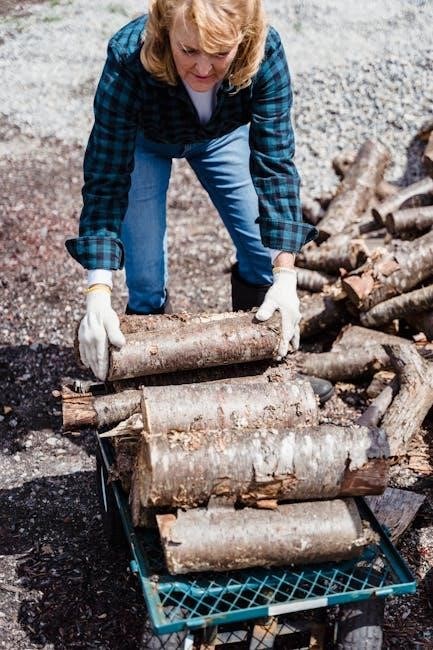
A firm grip and smooth‚ controlled movements are emphasized‚ avoiding twisting or jerking. Foot placement is crucial for balance and stability. Training also covers team lifting strategies‚ ensuring synchronized effort and communication. These techniques minimize strain and reduce the risk of injury during lifting tasks.

Types of Manual Handling Training Available in Adelaide
Adelaide offers diverse manual handling training options. Nationally Accredited Courses‚ like TLIF1001‚ provide a recognized qualification‚ covering foundational principles and risk management. These courses often meet legal compliance needs.
Customised Workplace Training Programs are also prevalent‚ tailored to specific industry demands and workplace hazards. These programs address unique tasks and equipment found in South Australian businesses. Both options range from introductory workshops to comprehensive certifications‚ ensuring employees gain practical skills and knowledge for safe work practices.
Nationally Accredited Courses (e.g.‚ TLIF1001)
TLIF1001‚ a widely recognized nationally accredited course in Adelaide‚ focuses on hazard identification and risk control related to manual handling. This training equips participants with the knowledge to assess workplace tasks‚ apply safe lifting techniques‚ and understand biomechanical principles.
Successful completion demonstrates competency in minimizing injury risk. These courses often include practical sessions and assessments‚ ensuring participants can confidently apply learned skills. They are crucial for meeting South Australian workplace health and safety regulations‚ providing a solid foundation for safe work practices.
Customised Workplace Training Programs
Adelaide businesses with unique manual handling needs can benefit from tailored training programs. These programs move beyond generic courses‚ addressing specific workplace hazards and tasks. A thorough assessment of work processes identifies risks‚ allowing trainers to develop targeted interventions.
Customised training ensures relevance and maximizes employee engagement. Programs can incorporate site-specific examples‚ equipment demonstrations‚ and practical scenarios. This approach fosters a stronger safety culture and improves the transfer of learning to the job. Ultimately‚ it leads to a more effective reduction in workplace injuries.
Choosing a Training Provider in Adelaide‚ SA
Selecting the right manual handling training provider in Adelaide is crucial. Prioritize providers with recognized accreditation and industry experience. Verify their trainers possess relevant qualifications and a strong understanding of South Australian workplace health and safety regulations.
Look for providers offering both nationally accredited courses‚ like TLIF1001‚ and customized programs. Consider their ability to tailor training to your specific industry and workplace hazards. Check client testimonials and ensure they offer ongoing support and refresher courses. A reputable provider will prioritize practical‚ hands-on learning.
Accreditation and Recognition
Accreditation is paramount when selecting manual handling training in Adelaide. Nationally recognized training‚ such as that aligned with the TLIF1001 unit of competency‚ ensures quality and compliance. Look for providers registered with Australian Skills Quality Authority (ASQA).
Recognition of Prior Learning (RPL) options are valuable for experienced workers. Valid accreditation guarantees the training meets industry standards and is legally recognized. This is vital for demonstrating due diligence and fulfilling workplace health and safety obligations. Confirm the provider’s scope of registration covers manual handling.
Trainer Qualifications and Experience
Adelaide’s effective manual handling training hinges on qualified trainers. Seek instructors holding Certificate IV in Training and Assessment (TAE40116 or its successor) as a minimum. Practical experience within relevant industries – construction‚ healthcare‚ or warehousing – is crucial.
Experienced trainers can deliver relatable‚ real-world scenarios. They should demonstrate a thorough understanding of biomechanics and safe lifting techniques. Verify trainers are up-to-date with current legislation and best practices. A strong trainer fosters engagement and ensures participants grasp essential concepts for workplace safety.
Benefits of Investing in Manual Handling Training
Adelaide businesses see significant returns from manual handling training. Primarily‚ it leads to reduced workplace injuries‚ lowering compensation claims and associated costs. Improved employee awareness fosters a safer work environment‚ boosting employee morale and productivity.
Training demonstrates a commitment to worker wellbeing‚ enhancing company reputation. Properly trained staff handle tasks efficiently‚ minimizing strain and fatigue. This investment translates to fewer sick days and increased operational effectiveness‚ ultimately contributing to a stronger bottom line for South Australian enterprises.

Reduced Workplace Injuries
Manual handling training in Adelaide‚ SA directly correlates with a demonstrable decrease in workplace injuries. By equipping employees with proper lifting techniques and hazard identification skills‚ the risk of musculoskeletal disorders (MSDs) is significantly minimized.
This proactive approach reduces strains‚ sprains‚ and more serious injuries resulting from incorrect manual tasks. Fewer injuries translate to lower medical expenses‚ reduced lost work time‚ and decreased reliance on workers’ compensation claims. A safer workplace fosters a more productive and engaged workforce throughout South Australia.
Improved Employee Morale and Productivity
Manual handling training in Adelaide‚ SA boosts employee morale by demonstrating a company’s commitment to their wellbeing. When staff feel valued and protected from injury‚ job satisfaction increases.
This positive environment directly impacts productivity. Confident employees‚ equipped with safe work practices‚ perform tasks more efficiently and with fewer errors. Reduced pain and discomfort contribute to increased focus and output. Investing in training signals trust‚ fostering a more engaged and motivated workforce across South Australian industries.

Cost of Manual Handling Training in Adelaide
Manual handling training costs in Adelaide vary based on delivery method and course scope. Nationally accredited courses‚ like TLIF1001‚ generally range from $150 to $300 per person. Customised workplace programs‚ tailored to specific industry needs‚ will likely have a higher price point‚ dependent on duration and participant numbers.
Factors influencing cost include trainer qualifications‚ venue hire‚ and materials. While an initial investment‚ the potential for reduced injuries and increased productivity offers a significant return on investment for South Australian businesses.
Factors Influencing Training Costs
Several elements impact manual handling training costs in Adelaide. Trainer experience and accreditation levels directly correlate with price; highly qualified instructors command higher fees. Course delivery method – on-site versus off-site – affects venue and travel expenses. The number of participants also plays a role‚ with group discounts often available.
Furthermore‚ the complexity of the training program‚ whether a standard course or a customized solution‚ influences the overall cost. Materials‚ assessments‚ and certification fees contribute to the final price.
Potential Return on Investment (ROI)
Investing in manual handling training in Adelaide yields significant ROI. Reduced workplace injuries translate to lower workers’ compensation claims and associated costs. Improved employee morale and productivity boost overall efficiency and output. Fewer lost workdays due to injury minimize disruption and maintain operational continuity.
Furthermore‚ compliance with South Australian legal requirements avoids potential fines and legal issues. A safer work environment enhances the company’s reputation and demonstrates a commitment to employee wellbeing‚ attracting and retaining skilled staff.
Specific Industries Requiring Manual Handling Training in SA
Several South Australian industries heavily rely on manual handling‚ necessitating comprehensive training. Construction workers frequently lift and maneuver heavy materials‚ demanding robust safety protocols. Healthcare professionals routinely assist patients‚ requiring proper techniques to prevent injury to both staff and individuals.
Warehousing and logistics operations involve constant loading‚ unloading‚ and movement of goods. Manufacturing also presents risks‚ with employees handling components and finished products. Targeted training programs tailored to each industry’s specific hazards are crucial for minimizing risks and ensuring a safe working environment in Adelaide.
Construction
Construction sites in Adelaide present significant manual handling risks; Workers routinely lift heavy building materials like bricks‚ timber‚ and concrete‚ often in awkward positions. Repetitive tasks‚ such as carrying tools and equipment‚ contribute to strain injuries.
Effective training focuses on proper lifting techniques‚ risk assessment specific to site conditions‚ and safe use of equipment like wheelbarrows. Understanding load distribution and teamwork during heavy lifts is paramount. Prioritizing manual handling training minimizes musculoskeletal disorders and ensures a safer‚ more productive workforce on South Australian construction projects.
Healthcare
Healthcare professionals in Adelaide frequently engage in physically demanding tasks‚ making manual handling training crucial. Assisting patients with mobility‚ lifting‚ and transferring poses substantial risks of injury to nurses‚ carers‚ and other staff.
Training programs emphasize patient handling techniques‚ utilizing assistive devices‚ and understanding individual patient needs. Proper body mechanics and risk assessment are vital to prevent back injuries and strains. South Australian healthcare facilities prioritize training to protect their workforce and ensure safe patient care‚ fostering a healthier and more efficient work environment.
Warehousing and Logistics
Adelaide’s warehousing and logistics sector relies heavily on physical labor‚ necessitating comprehensive manual handling training. Employees routinely lift‚ carry‚ and stack goods‚ creating a high risk of musculoskeletal disorders. Training focuses on safe lifting techniques‚ proper use of equipment like forklifts and pallet jacks‚ and effective load distribution.
Programs address hazard identification and risk assessment within warehouse environments. South Australian regulations emphasize employer responsibility for providing a safe working environment. Investing in training reduces workplace injuries‚ improves productivity‚ and minimizes associated costs for businesses operating in this demanding industry.
Refresher Training and Ongoing Education
Manual handling training isn’t a one-time event; Adelaide workplaces should prioritize regular refresher courses. Best practices and regulations evolve‚ demanding continuous professional development. Ongoing education reinforces safe techniques‚ addresses new hazards‚ and keeps employees updated on best practices.
Periodic assessments and practical demonstrations ensure skills remain sharp. Integrating manual handling principles into daily safety briefings and toolbox talks fosters a culture of safety. South Australian businesses benefit from proactive training‚ minimizing risks and promoting a consistently safe working environment for all personnel.
Resources for Manual Handling Information in South Australia
South Australia’s SafeWork SA provides comprehensive manual handling guidance‚ including codes of practice and risk management resources. Their website offers downloadable materials and information on legal obligations for Adelaide businesses. Additionally‚ industry associations often provide sector-specific guidance.
Training providers frequently offer supplementary online resources and post-course materials. Accessing these resources reinforces learning and supports ongoing safety practices. Utilizing these readily available tools empowers employees and employers to maintain a safe and compliant workplace‚ minimizing injury risks throughout South Australia.