
-
By:
- elizabeth
- No comment
hayward salt system manual
Hayward Salt System Manual: A Comprehensive Guide
Navigating your Hayward salt system involves understanding its components‚ troubleshooting common issues like a “cell down” indicator‚ and maintaining optimal water chemistry․
Resources like YouTube tutorials and online guides from sites like Mungfali․com and FenLin․ru offer valuable insights into installation‚ maintenance‚ and error code explanations․
Hayward salt chlorine generators represent a significant advancement in pool and spa sanitation‚ offering a convenient and efficient alternative to traditional chlorine methods․ These systems utilize a process called salt chlorination‚ converting dissolved salt into chlorine through electrolysis․ This eliminates the need for constantly purchasing‚ handling‚ and storing harsh chemical chlorine․
The core benefit lies in the creation of consistently clean and comfortable swimming water․ Unlike chlorine tablets or liquid chlorine‚ salt systems produce a steady‚ low level of chlorine‚ minimizing irritation to the eyes and skin․ Furthermore‚ the generated chlorine is gentler on pool surfaces and equipment․
Hayward offers a range of salt systems‚ catering to various pool sizes and needs․ Understanding the specific model you have is crucial for proper operation and maintenance․ Resources like online manuals‚ troubleshooting guides (available on platforms like YouTube and websites such as FenLin․ru)‚ and support documentation are essential for maximizing the lifespan and performance of your system․ Proper installation and regular monitoring of salt levels and water chemistry are key to a successful and enjoyable swimming experience․
Understanding Salt Chlorination Technology
Salt chlorination‚ at its core‚ is an electrochemical process․ It involves dissolving pool salt (sodium chloride) into the pool water and then passing this saline solution through an electrolytic cell – typically the Hayward T9 cell․ Within the cell‚ a low-voltage electrical current breaks down the salt molecules (NaCl) into its constituent parts: sodium (Na) and chlorine (Cl₂)․
The chlorine gas immediately dissolves in the water‚ forming hypochlorous acid (HOCl) and hypochlorite ion (OCl⁻)‚ which are the sanitizing agents that kill bacteria and algae․ Simultaneously‚ the sodium recombines with hydroxide ions (OH⁻) in the water to regenerate salt‚ ensuring a continuous cycle․
This process is remarkably efficient‚ requiring significantly less maintenance than traditional chlorination․ The system automatically adjusts chlorine production based on water flow and demand․ However‚ maintaining the correct salt level and water balance (pH‚ alkalinity‚ calcium hardness) is vital for optimal performance․ Understanding this technology empowers users to troubleshoot issues and ensure consistently clean and safe pool water‚ as detailed in resources like online guides and YouTube tutorials․
Hayward Salt System Components
A typical Hayward salt system comprises several key components working in harmony․ The power supply acts as the system’s brain‚ controlling the chlorine generation process and displaying system status․ Connected to the power supply is the salt cell (often a T9 model)‚ where the electrolysis occurs‚ converting salt into chlorine․
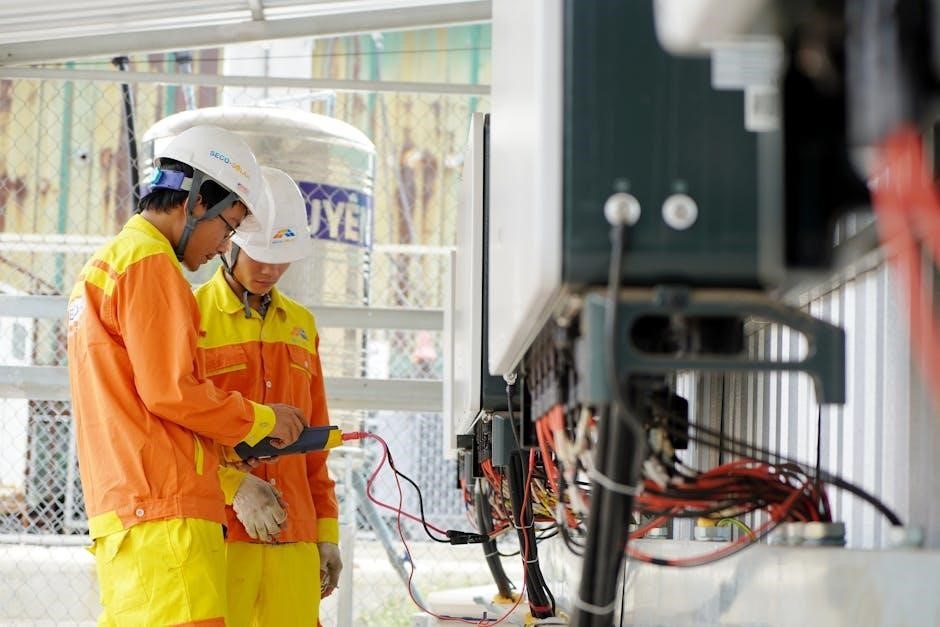
The flow sensor ensures water is moving through the cell at the correct speed for efficient chlorine production․ A control panel provides a user interface for adjusting settings‚ monitoring salt levels‚ and viewing error messages․ Many systems include a booster pump to guarantee adequate water flow‚ especially in low-flow applications․
Additionally‚ a salt reservoir or feeder may be used for easy salt addition․ Proper functioning of each component is crucial for optimal performance․ Online resources‚ including YouTube videos and manuals‚ often showcase these components and their interrelationships‚ aiding in understanding and troubleshooting potential issues․ Regular inspection of each part is recommended for longevity and efficiency․
T9 Salt Cell: Features and Specifications
The Hayward T9 Salt Cell is a core component renowned for its efficient chlorine generation․ It features a transparent cell housing‚ allowing visual inspection for calcium buildup․ This cell utilizes four titanium plates coated with precious metals‚ maximizing electrolysis and chlorine output․
Specifications vary based on pool size‚ but typical models handle pools up to 40‚000 gallons․ The T9 boasts a chlorine output capacity of up to 9 lbs per 24 hours․ It operates within a temperature range of 50-122°F (10-50°C) and requires a water flow rate between 60-100 GPM for optimal performance․

Key features include automatic cell cleaning‚ which reverses polarity to reduce scale formation‚ and a digital display indicating cell life remaining․ The T9 is designed for easy installation and replacement․ Online resources‚ including images from Mungfali․com‚ showcase the cell’s physical attributes․ Understanding these specifications is vital for selecting the appropriate cell for your pool and ensuring its longevity through proper maintenance․

Installation Process: A Step-by-Step Guide
Installing a Hayward Salt System requires careful adherence to a sequence of steps․ First‚ shut off power to the pump․ Next‚ locate a suitable position for the salt cell – typically on the return line‚ post-filter and before any other equipment like heaters․
Plumbing connections are crucial; ensure proper flow direction as indicated on the cell housing․ Use appropriate PVC cement and fittings․ After plumbing‚ electrically connect the salt cell to a dedicated circuit‚ following local electrical codes․
Initial setup involves adding the correct amount of pool salt‚ based on pool volume and system recommendations․ Prime the pump and system‚ checking for leaks․ Finally‚ power on the system and verify operation․ Resources like YouTube tutorials (referenced in search results) provide visual guidance․ Important: Always consult a qualified electrician for electrical connections․ Proper installation ensures efficient operation and prevents damage to the system․
Initial System Startup and Settings
Starting your Hayward Salt System after installation requires careful configuration․ Begin by verifying the salt level using a reliable test kit; adjust as needed to fall within the manufacturer’s recommended range․ Power on the system and navigate the control panel interface․
Initial settings involve programming the pool volume‚ desired chlorine output‚ and superchlorination schedules․ Many systems offer preset modes for different pool types and usage levels․ Familiarize yourself with these options․
Calibration may be necessary to ensure accurate chlorine production․ Allow the system to run for 24-48 hours to stabilize․ Regularly monitor water chemistry (pH‚ alkalinity‚ calcium hardness) and adjust accordingly․ Online resources‚ including troubleshooting guides‚ can assist with optimizing settings․ Note: A properly initialized system ensures efficient chlorination and protects your pool equipment․ Refer to the manual for specific model instructions․
Monitoring Salt Levels and Water Chemistry
Consistent monitoring of salt levels is crucial for optimal Hayward salt system performance․ Test salt concentration monthly using test strips or a digital meter‚ maintaining the recommended range (typically 2700-3400 ppm‚ but verify your model’s specifications)․ Low salt levels hinder chlorine production‚ while excessive levels can cause corrosion․
Beyond salt‚ regular water chemistry testing is essential․ Monitor pH‚ alkalinity‚ calcium hardness‚ and stabilizer (cyanuric acid) levels․ Imbalanced water can damage the salt cell and reduce system efficiency․ Maintain pH between 7․2 and 7․8‚ alkalinity between 80-120 ppm‚ and calcium hardness between 200-400 ppm․

Adjustments should be made promptly based on test results․ Utilize appropriate pool chemicals to balance water chemistry․ Remember: Proper water balance extends the life of your equipment and ensures a safe‚ enjoyable swimming experience․ Consult your Hayward manual or online resources for detailed guidance․
Understanding the Control Panel Interface
The Hayward salt system control panel serves as the central hub for managing your pool’s sanitation․ Familiarize yourself with its key features‚ including the power button‚ output percentage adjustment‚ cell cleaning indicator‚ and diagnostic displays․
Output percentage controls the chlorine generation rate․ Higher percentages produce more chlorine‚ suitable for peak swimming season or heavy usage․ Lower percentages conserve salt and reduce chlorine output during off-peak times․ The “Cell Cleaning” indicator illuminates when the salt cell requires cleaning to maintain optimal performance․
Diagnostic displays show error codes‚ providing valuable insights into system issues․ Refer to the manual’s error code section for troubleshooting guidance․ Many panels feature a “Super Chlorination” mode for quickly boosting chlorine levels after heavy use or algae blooms․ Explore the menu options to customize settings and monitor system status effectively;
Cell Cleaning Procedures and Frequency
Maintaining a clean salt cell is crucial for efficient chlorine generation․ Scale buildup from calcium and other minerals reduces the cell’s effectiveness․ The control panel’s “Cell Cleaning” indicator signals when cleaning is needed‚ typically every 3-6 months‚ depending on water hardness․
To clean the cell‚ first‚ turn off the system and isolate the power․ Remove the cell from the plumbing․ Prepare a solution of muriatic acid and water (follow safety precautions – always add acid to water‚ never water to acid!)․ Submerge the cell in the solution for 15-20 minutes‚ or until visible scale dissolves․
Rinse the cell thoroughly with clean water and inspect for any remaining scale․ Repeat the process if necessary․ Reinstall the cell‚ ensuring proper flow direction․ Regular cleaning prevents reduced chlorine output and extends the cell’s lifespan․ Avoid abrasive cleaners that could damage the cell plates․
Troubleshooting Common Issues: Cell Down Indicator
The “Cell Down” indicator on your Hayward salt system signals a problem with chlorine production․ Several factors can trigger this alert․ First‚ verify power to the cell – check the breaker and wiring connections․ A low flow rate is a common cause; ensure the pump is functioning correctly and there are no obstructions in the plumbing․
Inspect the cell itself for excessive scaling․ A heavily scaled cell cannot generate chlorine efficiently and will trigger the indicator․ Cleaning the cell (as detailed in the maintenance section) is often the solution․ Check salt levels – insufficient salt prevents chlorine generation․ Confirm the salt level is within the recommended range․
If the issue persists‚ the cell may be nearing the end of its lifespan and require replacement․ Consult the system’s error code list for more specific diagnostics․ Resources like YouTube tutorials can visually guide you through troubleshooting steps․
Troubleshooting: Low Salt Reading
A “Low Salt” reading on your Hayward system indicates insufficient salt levels to generate chlorine effectively․ This doesn’t necessarily mean your salt is actually low; several factors can cause a false reading․ First‚ ensure accurate testing – use a reliable salt test kit or strip‚ and follow the instructions carefully․ Contamination from calcium hardness or cyanuric acid can interfere with readings․
Verify recent rainfall or excessive backwashing hasn’t diluted the salt concentration in your pool․ Add salt in increments‚ allowing sufficient time for it to dissolve and circulate before retesting․ Check the salt cell’s condition; a scaled cell can sometimes give inaccurate readings․
Confirm the system’s salt reading calibration is correct․ Refer to your owner’s manual for calibration procedures․ If the problem persists‚ consider a professional water analysis to rule out any underlying chemical imbalances․ Remember‚ maintaining proper salt levels is crucial for optimal sanitation․
Troubleshooting: High pH Levels
Elevated pH levels with a Hayward salt system often stem from the chlorination process itself․ Salt chlorine generators produce chlorine through electrolysis‚ which naturally increases pH over time․ Consistent high pH can reduce chlorine’s effectiveness and cause scaling․ Regularly test your pool water – at least weekly – to monitor pH levels and adjust accordingly․
Lowering pH typically requires adding muriatic acid or dry acid (sodium bisulfate)‚ following label instructions carefully․ Ensure proper water balance‚ as high alkalinity can exacerbate pH issues․ Consider the total alkalinity level; it should be between 80-120 ppm for optimal stability․
Check your system’s output settings; excessive chlorine production can contribute to pH rise․ If high pH persists despite adjustments‚ inspect your water source for naturally high alkalinity․ Consistent imbalances may necessitate professional water testing and treatment recommendations․ Maintaining proper pH is vital for swimmer comfort and equipment protection․
Troubleshooting: System Not Producing Chlorine
A Hayward salt system failing to produce chlorine is a common concern with several potential causes․ First‚ verify adequate salt levels; insufficient salt prevents chlorine generation․ Test the salt concentration using test strips or a liquid test kit‚ aiming for the manufacturer’s recommended range (typically 2700-3400 ppm)․
Inspect the salt cell for scaling or calcium buildup․ A dirty cell reduces efficiency and can halt chlorine production․ Perform a cell cleaning cycle or manually clean the cell with a diluted muriatic acid solution (following safety precautions)․ Check the flow rate; insufficient water flow through the cell hinders operation․
Examine the control panel for error codes indicating specific issues․ A “Cell Down” indicator suggests a cell malfunction or connection problem․ Ensure the system is properly grounded and the power supply is functioning correctly․ If problems persist‚ consult the Hayward manual or contact a qualified pool technician for assistance․
Flow Rate and Direction Considerations
Maintaining proper flow rate and direction is crucial for optimal Hayward salt system performance; The system requires a specific flow rate‚ typically between 8-12 gallons per minute (GPM)‚ to ensure sufficient water passes through the salt cell for effective chlorine generation․ Verify your pump is capable of delivering this flow․
Incorrect flow direction can severely damage the salt cell and void the warranty․ The arrow on the cell housing must align with the direction of water flow․ Resources like Mungfali․com emphasize this point‚ highlighting the importance of correct installation․ Double-check plumbing connections to confirm proper orientation․

Insufficient flow leads to reduced chlorine production and potential scaling on the cell plates․ Excessive flow can also be detrimental‚ potentially causing turbulence and reducing cell efficiency․ Regularly inspect the system for any restrictions in the plumbing that might impede water flow․
Hayward Salt System Error Codes Explained
Hayward salt systems utilize error codes to diagnose operational issues‚ displayed on the control panel․ Understanding these codes is vital for efficient troubleshooting․ A common code is “CL” or “Cell Down‚” indicating a problem with the salt cell itself – potentially a lack of flow‚ low salt levels‚ or a failing cell․
“Low Salt” (E1) signifies insufficient salt concentration in the pool water‚ requiring salt addition and re-testing․ “High Salt” (E2) suggests excessive salt levels‚ potentially necessitating partial water drainage and refill․ “Temperature Error” (E3) indicates a faulty temperature sensor․
Other codes may relate to flow issues‚ power supply problems‚ or internal system errors․ Consult your Hayward salt system manual for a comprehensive list and specific troubleshooting steps for each code․ Online resources‚ while helpful‚ should be supplemented with the official documentation to ensure accurate diagnosis and repair; Ignoring error codes can lead to system damage or ineffective sanitization․

Winterizing Your Hayward Salt System

Proper winterization is crucial to protect your Hayward salt system from freeze damage․ Begin by turning off the power supply to the unit at the breaker․ Next‚ drain all water from the salt cell housing and associated plumbing lines․ This prevents cracking due to ice expansion․
Disconnect the salt cell and store it in a dry‚ frost-free location․ Consider cleaning the cell before storage to remove any scale buildup․ If your system has a flow switch‚ ensure it’s also drained․ For systems in extremely cold climates‚ additional insulation of exposed pipes may be beneficial․
Do not add antifreeze directly into the salt cell housing‚ as it can damage the cell’s coatings․ Instead‚ focus on completely removing all water․ Once spring arrives‚ thoroughly inspect all connections for leaks before restarting the system․ Refer to your Hayward manual for specific winterizing instructions tailored to your model․
Salt Cell Flow Direction Importance
Maintaining correct flow direction through the salt cell is paramount for optimal chlorine generation and longevity of the cell itself․ Hayward salt cells are specifically designed to function with water flowing in one designated direction‚ typically indicated by arrows on the cell housing․
Reverse flow can lead to several issues‚ including reduced chlorine output‚ accelerated scale buildup‚ and potential damage to the cell plates․ Incorrect flow disrupts the electrolytic process‚ hindering the conversion of salt into chlorine․ Regularly inspect the plumbing connections to ensure proper alignment․
If you suspect reversed flow‚ immediately shut down the system and correct the plumbing․ Resources like Mungfali․com highlight the importance of this aspect․ Proper flow ensures even distribution of salt and consistent chlorine production‚ maximizing the efficiency and lifespan of your Hayward salt system․ Always consult your manual for specific flow rate recommendations․
Hayward Salt System Maintenance Schedule
Regular maintenance is crucial for ensuring the longevity and efficiency of your Hayward salt system․ A consistent schedule prevents costly repairs and maintains optimal water quality․ Weekly‚ visually inspect the system for leaks and ensure the pump is functioning correctly․
Monthly‚ check and record salt levels‚ maintaining the manufacturer’s recommended range․ Inspect the salt cell for scale buildup; mild scaling can be addressed with a diluted muriatic acid solution (following safety precautions)․ Every 3-6 months‚ perform a more thorough cell inspection and cleaning‚ potentially requiring a more concentrated acid wash․
Annually‚ have a qualified technician inspect the entire system‚ including the control panel‚ wiring‚ and pump․ Replace the salt cell when chlorine production significantly declines despite cleaning‚ typically every 3-5 years․ Following this schedule‚ alongside resources like YouTube troubleshooting guides‚ will keep your system running smoothly․
Replacing the Salt Cell: When and How
Knowing when to replace your Hayward salt cell is vital for maintaining consistent chlorine production․ A significant decline in chlorine output‚ despite regular cleaning‚ is a primary indicator․ Typically‚ cells last 3-5 years‚ but lifespan varies based on water chemistry and usage․ Before replacing‚ verify the issue isn’t a low salt reading or flow rate problem․
To replace the cell‚ first shut off power to the system․ Relieve water pressure and disconnect the cell housing․ Carefully remove the old cell‚ noting the flow direction (critical for proper operation – see resources like Mungfali․com for guidance)․ Install the new cell‚ ensuring a tight seal with O-rings․
Reconnect the housing and restore water flow․ Power on the system and allow it to initialize․ Monitor chlorine production to confirm the new cell is functioning correctly․ Proper installation‚ guided by the manual and online resources‚ ensures a seamless transition and continued sanitation․
Warranty Information and Support Resources
Hayward offers warranties on its salt systems and components‚ varying by model and region․ Typically‚ the control panel has a 1-2 year warranty‚ while the salt cell itself may have a 3-5 year pro-rated warranty․ Review your specific warranty documentation for details on coverage‚ limitations‚ and claim procedures․

For support‚ Hayward’s official website provides extensive FAQs‚ manuals‚ and troubleshooting guides․ You can also contact Hayward directly via phone or email for technical assistance․ Online forums and communities‚ like those found through searches referencing “Hayward salt system troubleshooting” on platforms like YouTube (see resources from channels like those highlighted in search results)‚ can offer peer-to-peer support․
Additionally‚ authorized Hayward dealers often provide installation‚ maintenance‚ and repair services․ Keep your proof of purchase and warranty information readily available when seeking support․ Utilizing these resources ensures you can resolve issues and maximize the lifespan of your system․