
-
By:
- elizabeth
- No comment
earthquake viper 43cc tiller manual
Earthquake Viper 43cc Tiller Manual: A Comprehensive Guide
This manual details the Ardisam Earthquake MC43 mini-cultivator, featuring a 43cc, 2-cycle Viper engine, offering a user guide and parts list for optimal performance․

The Earthquake MC43 Mini-Cultivator is a gas-powered weeding tool designed for efficient garden preparation․ Powered by a robust 43cc, 2-cycle Viper engine, this model excels in maneuverability, allowing users to navigate rows without causing damage to existing plants․ Its compact size and lightweight construction make it ideal for smaller gardens and tight spaces․
This manual provides comprehensive instructions for assembly, operation, maintenance, and troubleshooting of the MC43․ Understanding its features and following the guidelines outlined herein will ensure safe and effective use․ The MC43 is built for tasks like weeding, cultivating, and preparing seedbeds, offering a versatile solution for various gardening needs․ Proper care will maximize its lifespan and performance․

Understanding the 43cc Viper Engine
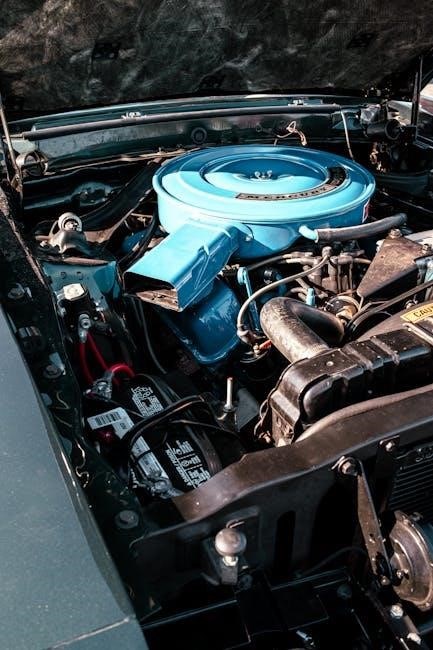
The Earthquake MC43 utilizes a 43cc, 2-cycle Viper engine, known for its reliable performance in compact power equipment․ This engine type requires a precise fuel and oil mixture for optimal lubrication and combustion – crucial for longevity․ Unlike 4-cycle engines, 2-cycle engines generate power with each crankshaft revolution, offering a higher power-to-weight ratio;
Understanding the engine’s components, such as the carburetor, spark plug, and air filter, is vital for maintenance․ Regular inspection and cleaning of these parts ensure consistent operation․ Proper fuel mixing, typically gasoline and 2-cycle engine oil, is paramount to prevent engine damage․ Refer to the fueling section for specific ratios and guidelines for this Viper engine․

Safety Precautions Before Operation
Prior to operating the Earthquake MC43 mini-cultivator, a thorough safety assessment is essential․ Always inspect the work area, removing stones, debris, and any obstacles that could cause a hazard․ Ensure children and pets are a safe distance away from the operating zone․ Never operate the tiller in enclosed spaces or areas with poor ventilation, due to potential carbon monoxide buildup․
Familiarize yourself with the tiller’s controls and emergency shut-off procedures․ Never attempt to repair the machine while the engine is running․ Disconnect the spark plug wire before performing any maintenance․ Be mindful of your surroundings and maintain a firm grip on the handles during operation to prevent loss of control․
Personal Protective Equipment (PPE)
Operating the Earthquake MC43 mini-cultivator requires appropriate Personal Protective Equipment (PPE) to minimize risk․ Always wear sturdy, closed-toe shoes or boots to protect your feet from potential impacts and flying debris․ Eye protection, such as safety glasses or goggles, is crucial to shield against dust, dirt, and small particles․
Hearing protection, like earplugs or earmuffs, is recommended due to the engine noise․ Long pants and long sleeves should be worn to protect skin from abrasion and potential contact with moving parts․ Gloves will improve grip and provide hand protection․ Avoid loose clothing that could become entangled in the tiller’s components․
Pre-Operation Checklist
Before each use of the Earthquake MC43 mini-cultivator, a thorough pre-operation checklist is essential for safe and efficient operation․ First, verify the fuel and oil levels are correct, ensuring the proper fuel-to-oil ratio for the 2-cycle Viper engine․ Inspect the air filter for cleanliness and replace if necessary․
Check all bolts and fasteners to ensure they are tight․ Examine the tilling blades for damage or wear, and replace if needed․ Clear the work area of any stones, debris, or obstructions․ Confirm the safety switch is functioning correctly․ Finally, ensure you are wearing the appropriate Personal Protective Equipment (PPE) as outlined in the manual․
Assembly Instructions
The Earthquake MC43 Mini-Cultivator arrives requiring minimal assembly․ Begin by attaching the handle to the main unit using the provided bolts and washers, ensuring a secure fit․ Next, carefully mount the tilling blades onto the rotating shaft, verifying they are properly aligned and tightened․
Double-check all connections to prevent loosening during operation․ Refer to the parts list diagram to confirm all components are present and correctly installed․ It’s crucial to ensure all guards and shields are securely in place before proceeding․ A properly assembled MC43 will deliver optimal performance and safety during tilling operations․
Fueling and Oil Mixing
The Earthquake MC43 utilizes a 2-cycle Viper engine, requiring a precise fuel and oil mixture for optimal performance and longevity․ Always use fresh, high-quality unleaded gasoline with a minimum octane rating of 87․ Combine gasoline with a 2-cycle engine oil at a 50:1 ratio – meaning 50 parts gasoline to 1 part oil․
Thoroughly mix the fuel and oil in a dedicated fuel container before adding it to the tiller’s tank․ Avoid using automotive oil, as it’s not designed for 2-cycle engines․ Improper mixing can lead to engine damage․ Always check the fuel level before each use and refuel as needed, maintaining the correct 50:1 ratio․
Starting the Manual Start Engine
To start the Earthquake MC43, ensure the fuel tank is filled with the correct 50:1 fuel-oil mixture and the choke is engaged․ Position the tiller on a level surface․ Slowly pull the starter cord with a firm, steady motion․ Avoid pulling the cord all the way out, and allow it to retract slowly to prevent damage․
If the engine doesn’t start after several pulls, re-check the fuel mixture and spark plug connection․ Disengage the choke once the engine sputters or shows signs of starting․ Continue pulling until the engine runs smoothly․ Always maintain a firm grip on the tiller during starting and operation for safety․
Operating the Mini-Cultivator
The Earthquake MC43 is designed for maneuvering easily between plant rows without causing damage․ Begin tilling in a lower gear, gradually increasing speed as you become comfortable․ Maintain a firm grip on the handles and walk at a steady pace․ Overlap each pass slightly to ensure thorough soil cultivation․
Be mindful of obstacles like rocks or roots, reducing speed or lifting the tiller as needed․ Avoid forcing the tiller through hard-packed soil; multiple passes at a shallower depth are more effective․ Regularly inspect the tines for debris and ensure they are securely attached for optimal performance and safety․
Tilling Techniques
Effective tilling with the Earthquake MC43 involves strategic passes․ Start by tilling the perimeter of the garden bed, then proceed with overlapping rows․ For initial tilling of unbroken ground, make multiple passes, gradually decreasing the tilling depth with each pass; This prevents stalling and reduces strain on the 43cc Viper engine․
When working around established plants, exercise caution and reduce tilling depth to avoid root damage․ Consider using a “sweeping” motion, guiding the tiller along the rows․ Regularly clear accumulated soil and debris from the tines to maintain efficient operation and achieve a consistently tilled surface․
Adjusting Tilling Depth

The Earthquake MC43’s tilling depth is adjustable, allowing versatility for various gardening tasks․ To adjust, locate the depth stake positioned at the rear of the tiller․ Sliding this stake up or down controls how deeply the tines penetrate the soil․ A higher position results in shallower tilling, ideal for established gardens or light weeding․
Lowering the depth stake increases penetration, suitable for breaking new ground or incorporating larger debris․ Always begin with a shallower depth and gradually increase it as needed․ Monitor engine performance; excessive depth can cause stalling․ Regularly check the depth stake’s position to ensure consistent tilling throughout your garden․
Maintenance and Care
Regular maintenance ensures the longevity and optimal performance of your Earthquake MC43 mini-cultivator․ After each use, inspect the tiller for any loose bolts or damaged parts․ Clean any accumulated soil and debris from the tines and housing․ Proper storage in a dry environment prevents rust and corrosion․
Periodically, check the fuel lines and fuel filter for blockages․ Consistent use of fresh fuel is crucial․ Following the recommended maintenance schedule, including air filter cleaning and spark plug inspection (detailed in subsequent sections), will prevent costly repairs and maximize the tiller’s lifespan․ Prioritize safety during all maintenance procedures․
Air Filter Cleaning
A clean air filter is vital for the 43cc Viper engine’s performance․ Regularly inspect the air filter for dirt and debris; a clogged filter restricts airflow, reducing power and potentially damaging the engine․ Remove the air filter cover and carefully take out the filter element․
Gently tap the filter to remove loose dirt․ For more stubborn debris, wash the filter in warm, soapy water, ensuring it’s completely dry before reinstallation․ If the filter is damaged, replace it immediately․ Reassemble the air filter housing securely․ Cleaning frequency depends on usage, but check it after every 5 hours of operation, or more often in dusty conditions․

Spark Plug Inspection and Replacement
Regular spark plug inspection is crucial for maintaining optimal engine performance of your Earthquake MC43 mini-cultivator․ Disconnect the spark plug wire before inspecting․ Remove the spark plug and examine the electrode for fouling, wear, or damage․ A properly functioning spark plug ensures efficient combustion․
Clean a lightly fouled plug with a wire brush․ If the plug is heavily fouled, cracked, or the electrode is worn, replace it with a new spark plug of the correct type․ Ensure the new plug is gapped correctly according to the engine specifications․ Reinstall the spark plug and tighten it securely, then reconnect the spark plug wire․
Troubleshooting Common Issues
This section addresses frequent problems encountered with the Earthquake MC43 mini-cultivator․ Engine Won’t Start: Check fuel levels, ensure the spark plug wire is connected, and verify the choke is properly engaged․ A flooded engine may require repeated pulls with the throttle open․
Excessive Vibration During Operation: Inspect the tilling blades for damage or imbalance․ Ensure all bolts and fasteners are tightened securely․ Excessive vibration can indicate a more serious engine issue, requiring professional attention․ Always disconnect the spark plug before inspecting blades․ If problems persist, consult a qualified technician for diagnosis and repair․
Engine Won’t Start
If your Earthquake MC43’s 43cc Viper engine fails to start, begin with basic checks․ First, confirm sufficient fuel in the tank and that the fuel mixture is correct for a 2-cycle engine․ Second, verify the spark plug wire is securely connected to the spark plug․ A loose connection prevents ignition․
Third, ensure the choke is engaged, especially for cold starts․ A flooded engine might require repeated pull starts with the throttle open to clear excess fuel․ If these steps fail, inspect the spark plug for fouling and replace if necessary․ Always disconnect the spark plug before any inspection;
Excessive Vibration During Operation
Should you experience excessive vibration while operating your Earthquake MC43 mini-cultivator, first, immediately stop the engine and disconnect the spark plug to prevent accidental starting․ Second, inspect the tilling blades for damage, uneven wear, or looseness․ Damaged or unbalanced blades are a primary cause of vibration․
Third, check all mounting bolts and screws associated with the engine and tilling assembly, ensuring they are tightened to the manufacturer’s specifications․ Loose components contribute significantly to vibration․ If the issue persists, examine the engine mounts for cracks or deterioration․ A worn engine mount can amplify vibrations; replacement may be necessary․
Parts List and Diagram
The Earthquake MC43 Mini-Cultivator utilizes a range of specific components for optimal functionality․ Key parts include the 43cc Viper 2-cycle engine, tilling blades, drive components, a fuel tank, and various fasteners․ A detailed parts diagram, typically included with the user guide, visually represents the assembly and component locations․
Essential replacement parts often needed are spark plugs, air filters, fuel lines, and potentially tilling blades due to wear․ Referencing the parts diagram is crucial when ordering replacements to ensure compatibility․ The model number (MC43) is vital for accurate part identification․ Always consult the diagram before disassembly for proper reassembly procedures․
Ordering Replacement Parts
To order replacement parts for your Earthquake MC43 Mini-Cultivator, having the model number (MC43) and a detailed parts diagram is essential․ These can typically be found within the original user guide․ Many online retailers specialize in small engine parts, offering a wide selection of components for the 43cc Viper engine․

When ordering, accurately identify the required part using the diagram’s part number․ Common replacements include spark plugs, air filters, fuel lines, and tilling blades․ Ensure the retailer supports returns if the part is incorrect․ Local hardware stores or small engine repair shops may also stock frequently needed parts, providing immediate availability․

Warranty Information

The Earthquake MC43 Mini-Cultivator is typically covered by a manufacturer’s warranty, protecting against defects in materials and workmanship․ The specific duration and coverage details vary, so retaining the original purchase receipt and warranty documentation is crucial․ Generally, warranties cover parts and labor for a defined period, often one to two years․
Warranty coverage may be voided by misuse, improper maintenance, or unauthorized repairs․ Always follow the recommended maintenance schedule outlined in the owner’s manual․ To initiate a warranty claim, contact Earthquake’s customer support, providing proof of purchase and a description of the issue․
Recent Earthquake Events (Contextual Information)
Recent seismic activity globally highlights the power of nature and the importance of preparedness․ A 6․4 magnitude earthquake struck Nepal’s Karnali Province on November 3, 2023, resulting in over 150 fatalities and numerous injuries, impacting Jajarkot and Rukum West significantly․
Further afield, a 7․3 magnitude earthquake hit Port Vila, Vanuatu, on December 17, 2024, causing 14 deaths, infrastructure damage, and displacing over 2000 people․ Myanmar experienced earthquakes on March 28, 2025, in the Sagaing region․ These events underscore the unpredictable nature of earthquakes and the need for resilient tools like the Earthquake MC43 for post-disaster recovery and land preparation․
Nepal Earthquake ─ November 2023
On November 3, 2023, a devastating 6․4 magnitude earthquake struck Nepal’s Western Province of Karnali, occurring shortly before midnight․ The immediate aftermath revealed a tragic toll: as of November 24, 2023, 154 lives were lost (83 female, 71 male), with over 900 individuals injured․ Jajarkot, the epicenter, and Rukum West bore the brunt of the disaster, facing widespread destruction and displacement․
In the wake of such events, tools for rebuilding and agricultural recovery become vital․ The Earthquake MC43 mini-cultivator could assist in preparing land for replanting, offering a practical solution for affected communities striving to restore their livelihoods after this significant natural disaster․
Vanuatu Earthquake ─ December 2024
A powerful 7․3 magnitude earthquake impacted Port Vila, Vanuatu, on December 17, 2024․ This event tragically resulted in 14 fatalities and caused substantial damage to critical infrastructure․ Over 2000 people were displaced, requiring temporary shelter in evacuation centers or with host families for weeks following the quake․ Lingering aftershocks continue to be felt by local communities, compounding the challenges of recovery․
Following such disruptions, restoring agricultural land is crucial․ The Earthquake MC43 mini-cultivator, with its maneuverability, could prove invaluable in assisting with land preparation and rebuilding efforts, aiding in the restoration of food production in Vanuatu;
Myanmar Earthquake ⎯ March 2025
On March 28, 2025, central Myanmar experienced two significant earthquakes․ The Sagaing region was particularly affected by these powerful tremors․ While specific details regarding casualties and infrastructure damage are still emerging, the event undoubtedly disrupted local communities and agricultural activities․ Re-establishing farming capabilities will be a vital component of the recovery process․
In such scenarios, tools like the Earthquake MC43 mini-cultivator can be instrumental․ Its lightweight design and ease of use allow for efficient land preparation, even in challenging conditions, potentially accelerating the restoration of vital farmland in the affected areas of Myanmar․