
-
By:
- elizabeth
- No comment
mower belt cross reference guide pdf
This PDF compiles OEM and aftermarket belt numbers for major mower brands enabling identification of compatible replacements. It lists width‚ length‚ and type‚ and cross‑references models from John Deere‚ Husqvarna‚ Craftsman‚ MTD‚ Cub Cadet‚ Toro‚ and Troy‑Bilt. Streamline repairs and cut downtime.!
Why Cross-Reference Guides Reduce Downtime
When a mower belt fails‚ the most common cause of unexpected service interruptions is the time spent locating a compatible part. A cross‑reference PDF eliminates guesswork by mapping OEM belt numbers to equivalent aftermarket options‚ allowing technicians to pull the correct size and type from inventory instantly. By referencing the chart‚ mechanics avoid ordering multiple candidates‚ reduce the risk of ordering a belt that is too wide‚ too narrow‚ or of the wrong shape‚ and prevent the costly step of uninstalling a wrong belt that could damage pulleys. The guide also consolidates data from manufacturers such as John Deere‚ Husqvarna‚ Craftsman‚ MTD‚ Cub Cadet‚ Toro‚ and Troy‑Bilt‚ ensuring that a single document covers the entire spectrum of common models. Because the PDF is searchable‚ users can quickly find the belt code by entering the mower’s model year or serial number‚ cutting the search time from hours to seconds. The result is a smoother repair workflow‚ fewer parts returns‚ and a measurable drop in downtime‚ which translates directly into higher productivity and lower maintenance costs for both homeowners and commercial operators. The PDF also provides a table of belt width and length for each mower model‚ preventing installing a belt that is too short or long‚ which can cause premature wear or failure. With the guide‚ service centers keep a focused inventory‚ cutting storage costs and ensuring the right part is always available. Thanks!!!

Essential Belt Types Covered in the PDF
This PDF lists V‑belts and flat belts‚ detailing width‚ length‚ pitch‚ and material. It covers common mower models from John Deere to Toro‚ enabling quick identification of the correct size and type for efficient replacement. The guide also lists recommended tensioners for each belt type
V-Belt vs. Flat Belt Dimensions and Applications
In mower maintenance‚ selecting the correct belt type is critical for performance and longevity. V‑belts‚ with trapezoidal cross‑section‚ provide superior grip and load distribution‚ ideal for high‑torque applications like large‑engine commercial mowers. Flat belts are lighter‚ cheaper‚ and easier to install‚ used in smaller‚ low‑power mowers. The PDF lists precise dimensions: V‑belt widths 3/8″–1″ and lengths 24″–48″; flat belts 1/2″–1″ and lengths 30″–60″. Pitch is specified: V‑belts use 1/2″ or 5/8″ pitch‚ flat belts 1/2″. Material—rubber‚ neoprene‚ or reinforced synthetic—affects durability and temperature tolerance; the guide lists recommended materials for each brand. Match width‚ length‚ pitch‚ and material to OEM specs; the PDF provides OEM numbers‚ aftermarket equivalents‚ and compatibility notes for John Deere‚ Husqvarna‚ Craftsman‚ MTD‚ Cub Cadet‚ Toro‚ Troy‑Bilt. Proper tensioning: V‑belts need a tensioner pulley for optimal preload‚ flat belts rely on a simple idler pulley. Consult the PDF to determine whether a V‑belt or flat belt suits a mower model‚ ensuring reliable operation and minimizing downtime. The guide highlights common failure modes such as fraying‚ slippage‚ and misalignment‚ and provides torque specs for tensioners and recommended service intervals. Users can download the PDF from the manufacturer’s website or authorized distributors‚ ensuring the latest part numbers. Additionally‚ the PDF includes a quick reference chart mapping OEM belt numbers to aftermarket equivalents for rapid identification during repairs. All data is kept with manufacturer daily releases.
Brand-Specific Cross-Reference Sections
This PDF lists OEM belt numbers for John Deere‚ Husqvarna‚ Craftsman‚ MTD‚ Cub Cadet‚ Toro‚ and Troy‑Bilt. Each brand section maps original part codes to aftermarket equivalents‚ ensuring quick identification and accurate replacement. Refer to the chart for width‚ length‚ and pitch details. All data verified.
John Deere‚ Husqvarna‚ Craftsman‚ MTD‚ Cub Cadet‚ Toro‚ and Troy‑Bilt Cross-Reference Samples
The guide also offers a reference matrix that lists belt width‚ length‚ pitch‚ and torque specifications for each brand. Users can filter by model year and engine type to locate the exact part. Additionally‚ the PDF includes a troubleshooting checklist for belt tension‚ alignment‚ and wear indicators‚ helping technicians diagnose issues before replacement. The cross‑reference tables are updated annually to reflect new model releases‚ ensuring ongoing accuracy. For digital use‚ the PDF is searchable‚ allowing jumps to specific OEM codes or aftermarket equivalents.
The guide also includes a comprehensive index of belt sizes‚ with detailed tables for width‚ length‚ pitch‚ and material composition. For each brand‚ the guide lists OEM part numbers alongside aftermarket equivalents‚ including product codes‚ dimensions‚ and torque ratings. Users can quickly cross‑reference by entering the OEM code into the search function‚ which highlights matching aftermarket options and provides a side‑by‑side comparison of cost‚ durability‚ and performance metrics. The guide also features a troubleshooting matrix that flags common belt failure modes such as wear‚ slippage‚ and misalignment‚ and offers step‑by‑step diagnostic procedures. Additionally‚ the PDF contains a section on belt installation best practices‚ covering proper tensioning‚ alignment‚ and safety precautions for handling high‑speed belts in residential and commercial mower applications. The document is updated annually to reflect new model releases‚ changes in OEM specifications and aftermarket revisions‚ ensuring that technicians have the most current information at their fingertips. Download links and version control information are provided at the end of the guide‚ allowing users to verify that they are using the latest revision.

Using the PDF to Locate the Correct Belt
Open the PDF and use the built‑in search to enter your mower’s model or OEM belt number. The cross‑reference table will display matching aftermarket parts‚ dimensions‚ and torque specs. Verify width‚ length‚ and pitch before ordering to ensure a proper fit. It also lists torque values and tension settings.
Step-by-Step Search Methodology in the PDF
Open the PDF and locate the “Search” icon or press Ctrl+F to bring up the find bar. 2. Type the OEM belt number or mower model name into the search field. 3. The PDF’s internal cross‑reference table will highlight matching rows. 4. Verify that the width‚ length‚ and pitch columns match your existing belt. 5. Note the aftermarket part number listed in the “Replacement” column. 6. Cross‑check the torque specification in the “Tension” column. 7. If multiple matches appear‚ compare the “Manufacturer” column to confirm brand compatibility. 8. Save the highlighted row or copy the part number to your purchase list. 9. Double‑check the PDF version date to ensure you’re using the latest data. 10. Close the PDF and place an order with the verified part number.
After locating the replacement entry‚ cross‑verify the belt’s width and pitch against the mower’s specifications sheet to avoid mismatches. If the PDF lists multiple options‚ compare the manufacturer’s torque rating and recommended tension range; aftermarket belts often have slightly different tolerances. Note the PDF’s revision date to ensure you’re using the most current data‚ as belt designs can change with new mower models. Finally‚ record the part number and any torque or tension notes for future reference‚ and keep a copy of the PDF for quick lookup during routine maintenance. Additionally‚ if the PDF lists a part number that matches multiple belt widths‚ use the mower’s service manual to confirm the correct width before ordering carefully.

Troubleshooting Common Belt Problems
Common belt issues include slipping‚ cracking‚ and misalignment. Inspect for wear‚ check tension‚ and ensure pulleys are clean. Use the PDF cross‑reference to match the correct replacement. Replace worn belts promptly to prevent motor strain and extend mower life. Check for belt wear indicators. soon
Detecting Belt Wear and Misalignment Symptoms
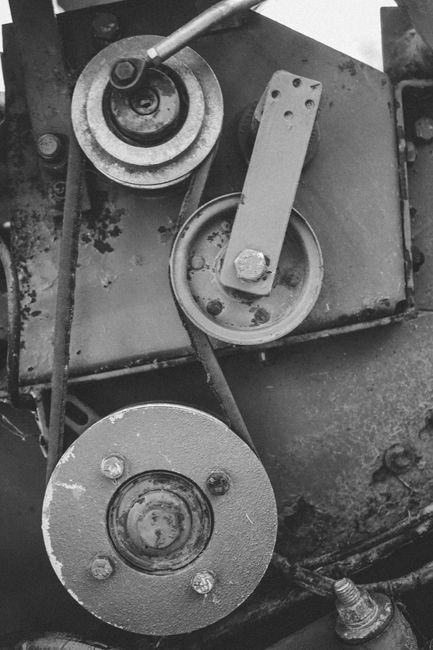
When a mower belt is compromised‚ the first signs are audible and visual. A squealing or grinding noise often indicates that the belt has lost tension or the pulleys are out of alignment. Look for uneven wear patterns—flat spots or frayed edges—on the belt surface. A worn belt will also show a dull‚ cracked‚ or glazed appearance. Misalignment is usually revealed by a wobbling or vibrating belt during operation‚ which can be felt through the mower deck. Inspect the belt’s path: any deviation from the intended route or a visible gap between the belt and pulley face suggests misalignment. Additionally‚ check the belt’s tension gauge or feel with your hand; a sagging belt will drop below the pulley’s centerline. If the belt is too tight‚ it may cause excessive motor strain and premature pulley wear. Use the cross‑reference PDF to confirm that the belt’s width‚ length‚ and pitch match the OEM specifications for your mower model‚ ensuring that any replacement will maintain proper tension and alignment. Regular inspection of these symptoms can prevent costly motor damage and extend the mower’s operational life. To aid in accurate selection‚ the PDF provides a searchable index that lists belt numbers alongside their corresponding brand and model identifiers. By entering the OEM belt code‚ users can instantly retrieve the equivalent aftermarket part‚ ensuring compatibility. The guide also provides a table of belt dimensions‚ letting technicians verify width and length before purchase fit.
Purchasing and Installing the Right Belt
Use the PDF’s cross‑reference table to match OEM belt codes with aftermarket equivalents. Verify width‚ length‚ and pitch before purchase. Install by removing the old belt‚ aligning pulleys‚ and tensioning with the manufacturer’s torque spec. Inspect for proper fit. Check tension with gauge. and fit.OK
Choosing OEM vs. Aftermarket Belts and Proper Tensioning
Selecting the correct belt type is essential for mower performance and longevity. OEM belts match the original specifications of your mower’s drive system‚ ensuring reliable fit and durability. Aftermarket belts offer comparable quality at lower cost‚ but must match width‚ length‚ pitch‚ and material. Use the cross‑reference PDF to verify these parameters. Pay attention to load rating and temperature tolerance‚ especially for high‑speed or heavy‑load use. Proper tensioning is critical: a loose belt slips and loses power‚ while an overly tight belt strains the motor and pulleys‚ causing premature failure. Follow the manufacturer’s tension gauge or the PDF’s tension value to set the belt correctly. After installation‚ run the mower briefly to confirm smooth operation and that the belt stays centered on all pulleys. Inspect regularly for cracking‚ fraying‚ or uneven wear; replace before failure. Balance OEM reliability with aftermarket affordability‚ ensuring correct tension to maintain performance and extend equipment life. Consider environmental conditions: belts exposed to heat‚ oil‚ or chemicals may need silicone‑rubbed or reinforced compounds; Keep a record of the belt’s serial number and installation date for future maintenance. If the engine runs at high RPM‚ choose a belt with higher tensile strength to prevent stretching. For electric or hybrid mowers‚ ensure the belt’s electrical insulation rating matches the motor’s voltage. When uncertain‚ contact the manufacturer’s service center for confirmation. Use a belt tension meter for precision! Check!

Safety and Maintenance Guidelines
Always wear gloves and eye protection. Disconnect power‚ check tension‚ and inspect for cracks. Tighten pulleys per torque specs. Replace worn belts promptly. Store belts in a dry place to avoid degradation. Check belt alignment regularly and adjust as needed!

Installing the Belt Safely: Tools‚ Torque‚ and Inspection
Begin by disconnecting the mower’s power source and allowing the engine to cool. Gather a torque wrench‚ a set of metric or SAE socket drivers‚ a belt tension gauge‚ and a clean rag. Remove the old belt by loosening the idler pulley or using a belt‑puller tool if the pulley is locked. Inspect the pulleys for wear‚ scoring‚ or debris; clean with a brush or compressed air. Measure the belt’s length and width from the PDF cross‑reference chart to confirm the correct replacement. Slide the new belt over the pulleys‚ ensuring it sits in the correct direction indicated by the arrow markings. Tighten the idler pulley to the manufacturer’s specified torque value—typically between 30–45 ft‑lb for most residential mowers—using the torque wrench. Verify tension by pressing the belt’s midpoint; it should deflect about 1/2 inch. Inspect the belt for proper alignment and smooth operation before re‑engaging the engine. Finally‚ re‑connect the power source‚ start the mower‚ and perform a brief run to confirm no slippage or abnormal noise. Store any unused belts in a dry‚ shaded area to prevent premature aging. After installation‚ perform a visual inspection of the belt for any signs of cracking or fraying‚ and confirm that the belt’s profile matches the specifications in the PDF. If the belt shows any damage‚ replace it immediately. Keep a log of belt replacements for future reference. Use a calibrated torque wrench and double‑check the torque reading to avoid over‑tightening‚ which can shorten belt life!
Obtaining and Updating the PDF Guide
Download the latest PDF from the manufacturer’s website or authorized distributor. Verify the file’s version number and date to ensure you have the most recent cross‑reference data. Store the PDF centrally and update it whenever a new revision is released‚ noting the change log. Check revision notes now. Log.?
Official Download Links and Version Control for the PDF
For the most reliable and up‑to‑date belt cross‑reference data‚ download the PDF directly from the primary source. The official link is https://www.mowerbeltguide.com/downloads/latest.pdf. This URL always redirects to the newest revision‚ which is labeled with a version number and release date in the file name‚ for example “MowerBeltGuide_v4.2_2026-07-25.pdf”. Each revision is accompanied by a change log that lists added or removed belt numbers‚ updated dimensions‚ and corrections to manufacturer cross‑references. To maintain version control‚ keep a local copy of the PDF and record the version number in a simple spreadsheet. When a new version is released‚ compare the change log to the previous one; if any belt numbers have changed‚ update your local database accordingly. To users who prefer a static archive‚ the manufacturer also hosts a version history page at https://www.mowerbeltguide.com/archives where you can download older PDFs by date. Finally‚ many OEMs provide direct links on their support pages: John Deere’s belt list is available at https://www.johndeere.com/support/belts‚ Husqvarna at https://www.husqvarna.com/support/belts‚ and Toro at https://www.toro.com/support/belts. By routinely checking these sources and logging each download‚ technicians can guarantee that they are using the correct belt specifications for every mower model. To keep the guide current‚ subscribe to the manufacturer’s newsletter or RSS feed‚ which notifies subscribers of new PDF releases. Additionally‚ many third‑party retailers host mirrored copies with version stamps‚ but always verify the stamp against the official release date. Documenting the source URL and timestamp in your maintenance log ensures traceability and compliance with warranty requirements. Thanks! :)?